

Baby tracking apps for moms can feel like a lifesaver during the newborn stage. When you are running on broken sleep, recovering from birth, learning your baby’s cues, and trying to remember the last feeding, diaper change, nap, pumping session, or medicine dose, an app can make life feel more organized. Instead of keeping everything in your head, you can open your phone and see the pattern.
That sounds helpful because it often is. A baby tracking app can support communication between parents, reduce guessing, and make pediatric visits easier when your doctor asks about feeding, sleep, or diaper output. For moms carrying most of the mental load, shared tracking can also help another parent or caregiver step in with more confidence.
But there is another side. Some moms find that tracking everything turns into pressure. The app that was supposed to reduce stress starts creating more of it. Suddenly, every nap feels too short, every feeding looks imperfect, and every graph feels like a report card. That is why baby tracking apps for moms should be used as tools, not as a measure of whether you are a good parent.
Why Baby Tracking Apps Are Trending With Modern Moms
Modern motherhood comes with more information than any previous generation had. Moms can track feeding, sleep, diapers, growth, pumping, medication, milestones, mood, and routines. They can share data with partners, nannies, grandparents, and doctors. For some families, this creates relief. For others, it adds another layer of responsibility to a life that already feels overloaded.
The reason these apps are trending is simple: moms are tired of holding every detail alone. A baby’s day can feel repetitive, but the details matter. Was the last diaper wet or dirty? Which side did the baby nurse on? How long was the last nap? Did the baby take medicine at noon or one o’clock? When everything blends together, an app can become a helpful memory tool.
Still, no app can replace your instincts, your baby’s cues, or professional medical advice. The healthiest approach is balanced. Use the app to support care, not to control every moment. If tracking helps you feel calmer, keep it simple. If tracking makes you anxious, it may be time to reduce what you log.
How Baby Apps Can Reduce Mom Mental Load
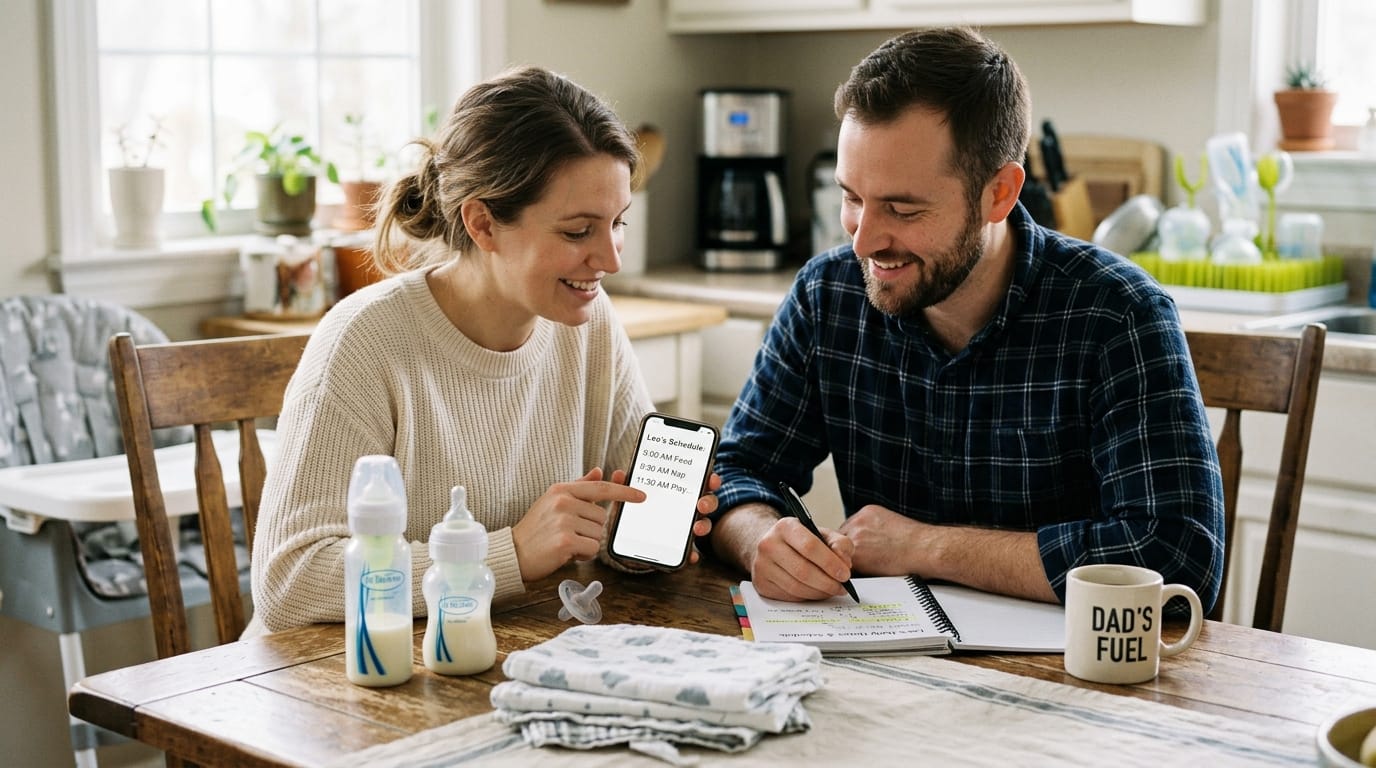
The mental load of motherhood is not only about doing tasks. It is also about remembering, planning, noticing, and anticipating. Moms often know when the diapers are running low, when the baby last ate, when the next appointment is due, and what needs to be packed before leaving the house. That invisible work can feel exhausting.
A baby tracking app can reduce some of that pressure by moving details out of your head and into one shared place. If both parents use the app, one person does not have to become the household memory. A partner can open the app and see that the baby ate 90 minutes ago or that the next bottle may be coming soon. That matters because shared information can lead to shared responsibility.
This connects closely with a bigger motherhood issue: moms need systems that support them instead of systems that depend on them. If you feel like the default manager of everything, read this related guide on how moms can reduce mental load and feel less overwhelmed every day.
Use the App as a Shared Tool, Not a Mom-Only Job
If only mom enters the data, checks the reminders, and interprets the patterns, the app may become one more task. To make parenting tech useful, share the responsibility. Ask your partner or caregiver to log feedings, diapers, naps, and notes when they are on duty. Keep the system simple enough that everyone can follow it without needing constant reminders.
The best app setup is not the most detailed one. It is the one your family can actually use. If logging seven categories feels too much, track only the two or three things that truly matter right now. For many newborn families, that may mean feedings, diapers, and medication. Everything else can wait.
When Tracking Starts Creating Anxiety
For some moms, tracking becomes stressful when the app starts feeling like a scorecard. This can happen slowly. At first, you log feedings to stay organized. Then you begin checking totals constantly. Then you compare your baby’s sleep to average charts. Then you feel worried when the day does not look “right.”
Babies are not robots. Their feeding and sleeping patterns change because of growth spurts, illness, teething, developmental leaps, comfort needs, and normal variation. A short nap does not always mean something is wrong. A cluster feeding day does not always mean your milk supply is failing. A fussy evening does not automatically mean you missed something.
Tracking becomes unhealthy when it keeps you from resting, bonding, or trusting yourself. Warning signs include checking the app repeatedly even when your baby is fine, feeling guilty over normal changes, arguing with your partner over numbers, or feeling unable to stop logging every tiny detail. If the app makes you feel more afraid than supported, it is not serving you well.
Know the Difference Between Helpful Data and Fear Data
Helpful data answers a practical question. For example: “When did the baby last eat?” “Did we give the medicine?” “How many wet diapers did we have today?” Fear data creates more worry without helping you make a useful decision. For example: “Why is this nap shorter than yesterday?” “Why is the app average different from my baby?” “Am I failing because the graph looks messy?”
When tracking creates more questions than answers, simplify. You do not need to record every sound, mood, or minute. Babies need responsive care, not perfect charts. If you are worried about feeding, growth, sleep, or diaper output, contact your pediatrician instead of trying to solve everything through an app.
What Moms Should Track During the Newborn Stage
During the early weeks, tracking can be useful because newborn care involves frequent feeding and diaper changes. A simple record can help you remember what happened during a foggy day or a sleepless night. It can also help during pediatric appointments, especially if your baby has feeding concerns, weight concerns, reflux, jaundice, medication needs, or special medical instructions.
Most moms do not need to track everything forever. The newborn stage is usually the most tracking-heavy period. As your baby grows and routines become more predictable, you can reduce the habit. Many moms eventually stop logging daily details and only track during illness, schedule changes, travel, medication use, or sleep transitions.
For feeding, follow your baby’s cues and your pediatrician’s advice. The American Academy of Pediatrics explains that newborns feed often, and signs like wet and dirty diapers, growth, and satisfaction after feeding can help parents understand whether a baby is getting enough. This is why tracking diapers and feedings can be useful early on, but the numbers should be understood in context.
Keep Newborn Tracking Simple
A simple newborn tracking setup may include feeding time, diaper output, sleep, and medicine if needed. You do not have to track mood, exact crying length, every burp, every ounce offered, every ounce finished, and every tiny wake window unless your doctor has asked for that level of detail.
Choose a system that lowers stress. If the app is too complicated, use a paper notebook. If the notebook gets messy, use a shared note on your phone. If the phone makes you obsess, use a whiteboard near the changing table. The best method is the one that helps your family care for the baby without making mom feel monitored.
How to Use Parenting Tech Without Losing Your Peace

The goal is not to avoid all parenting technology. The goal is to use it wisely. Baby tracking apps for moms work best when they support connection, teamwork, and confidence. They become a problem when they replace rest, increase anxiety, or make motherhood feel like a performance.
Start by setting boundaries. Decide what you will track, who will track it, and when you will stop. For example, you might track feedings and diapers for the first month, then reduce tracking after your baby is gaining well and your pediatrician has no concerns. You might track sleep during a transition, then stop when the routine feels stable.
Next, protect your emotional health. If you notice that app use makes you feel panicked, ashamed, or unable to relax, step back. Talk to your partner, pediatrician, lactation consultant, or postpartum mental health professional. Feeling anxious after birth is not a personal failure. Support matters, and you do not have to manage it alone.
Parenting technology also belongs in the larger conversation about family screens. As children grow, families need healthy digital boundaries, not constant device dependence. For more support, read The 2026 Family Media Plan, Phone-Free Childhood in 2026, and AI Toys for Kids in 2026.
A Healthy App Rule for Moms
Use this rule: if the app helps you care for your baby and share responsibility, keep it. If the app makes you feel watched, judged, or constantly worried, simplify it or stop using it. You are allowed to choose peace over perfect data.
Motherhood is not measured in charts. Your baby needs feeding, comfort, safety, medical care, and love. You need rest, support, reassurance, and room to learn. Technology can help with some of that, but it cannot become the center of your parenting confidence.
Baby tracking apps for moms can be helpful when they reduce mental load, support teamwork, and give clear information during the newborn stage. They can become harmful when they create pressure, comparison, or anxiety. The best approach is balanced and realistic: track what matters, share the work, trust your baby’s cues, ask professionals when you are concerned, and remember that good motherhood does not require perfect data.