
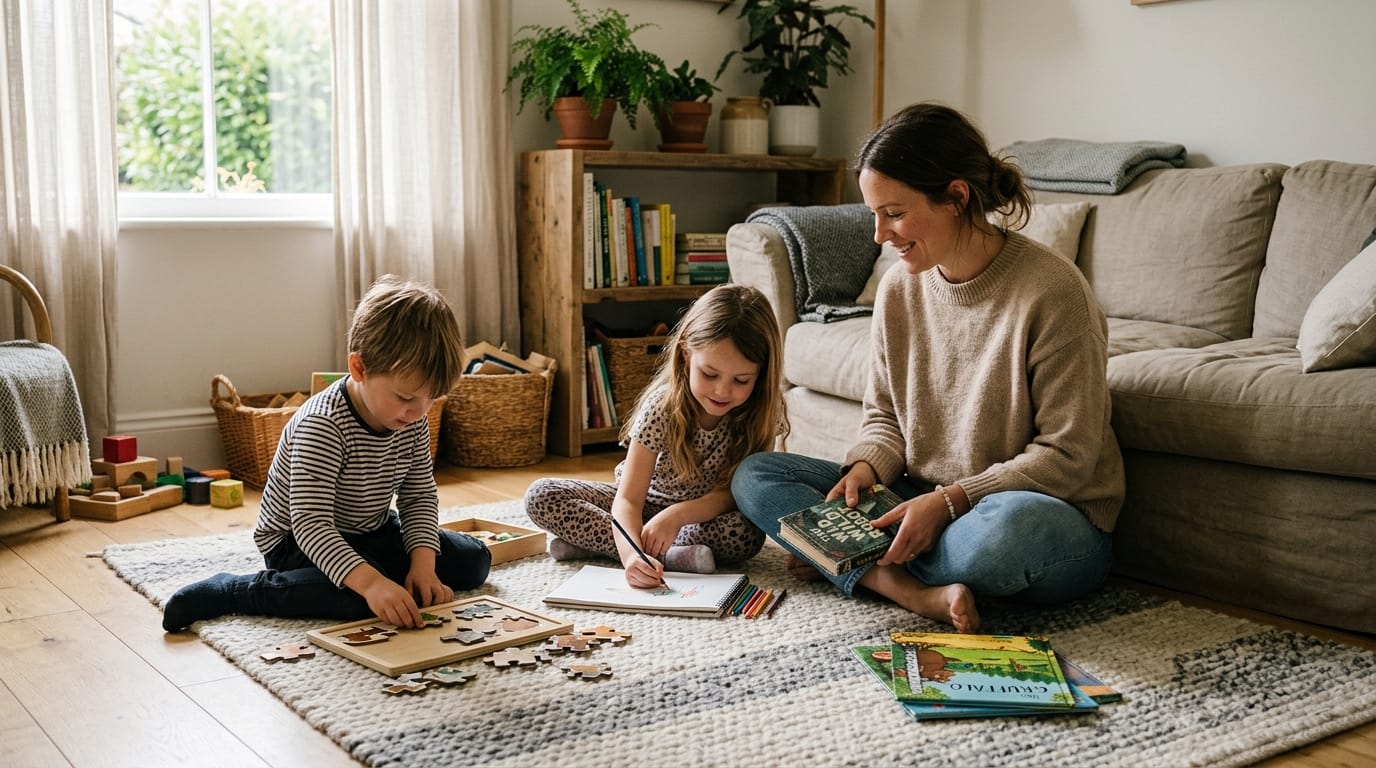
Slow parenting for moms is becoming one of the most meaningful parenting shifts of 2026. After years of packed schedules, constant screen battles, pressure to create perfect childhood memories, and the never-ending mental load of motherhood, many moms are craving something different. They want a family rhythm that feels calmer, more connected, and less controlled by comparison.
Slow parenting does not mean giving up structure. It does not mean letting kids do whatever they want. It means choosing a more intentional pace at home. Instead of filling every afternoon with activities, apps, lessons, homework extras, and rushed errands, slow parenting gives children more room to play, think, help, rest, and build independence. It also gives moms permission to stop managing every tiny detail of family life like a full-time project manager.
For many families, this shift feels refreshing because modern motherhood has become too crowded. Moms are expected to raise emotionally healthy kids, limit screens, encourage learning, prepare meals, manage school messages, schedule appointments, protect mental health, support friendships, and still stay patient. That is too much pressure for one person to carry every day. Slow parenting for moms offers a more realistic path: fewer unnecessary commitments, stronger family connection, and routines that support real life instead of perfection.
Why Slow Parenting Is Trending for Modern Moms
The rise of slow parenting makes sense. Many moms are tired of feeling like childhood has become a race. There is pressure to enroll kids in more activities, keep them entertained, document every milestone, and make every moment educational. Social media can make that pressure worse because it turns ordinary parenting into something that looks like a performance.
But children do not need a perfectly curated childhood. They need safety, love, boundaries, enough rest, meaningful connection, and space to grow. They need adults who are emotionally present, not constantly overwhelmed. They need time to be bored, make choices, solve small problems, and enjoy simple family moments that are not rushed.
Slow parenting is also connected to mom wellness. When a family schedule is too full, moms often become the system holding everything together. They remember the dentist appointment, the lunchbox note, the permission slip, the birthday gift, the laundry cycle, the soccer schedule, and the emotional needs of everyone in the house. If that sounds familiar, you may also find support in this guide on how moms can reduce mental load and feel less overwhelmed.
What Slow Parenting Actually Means
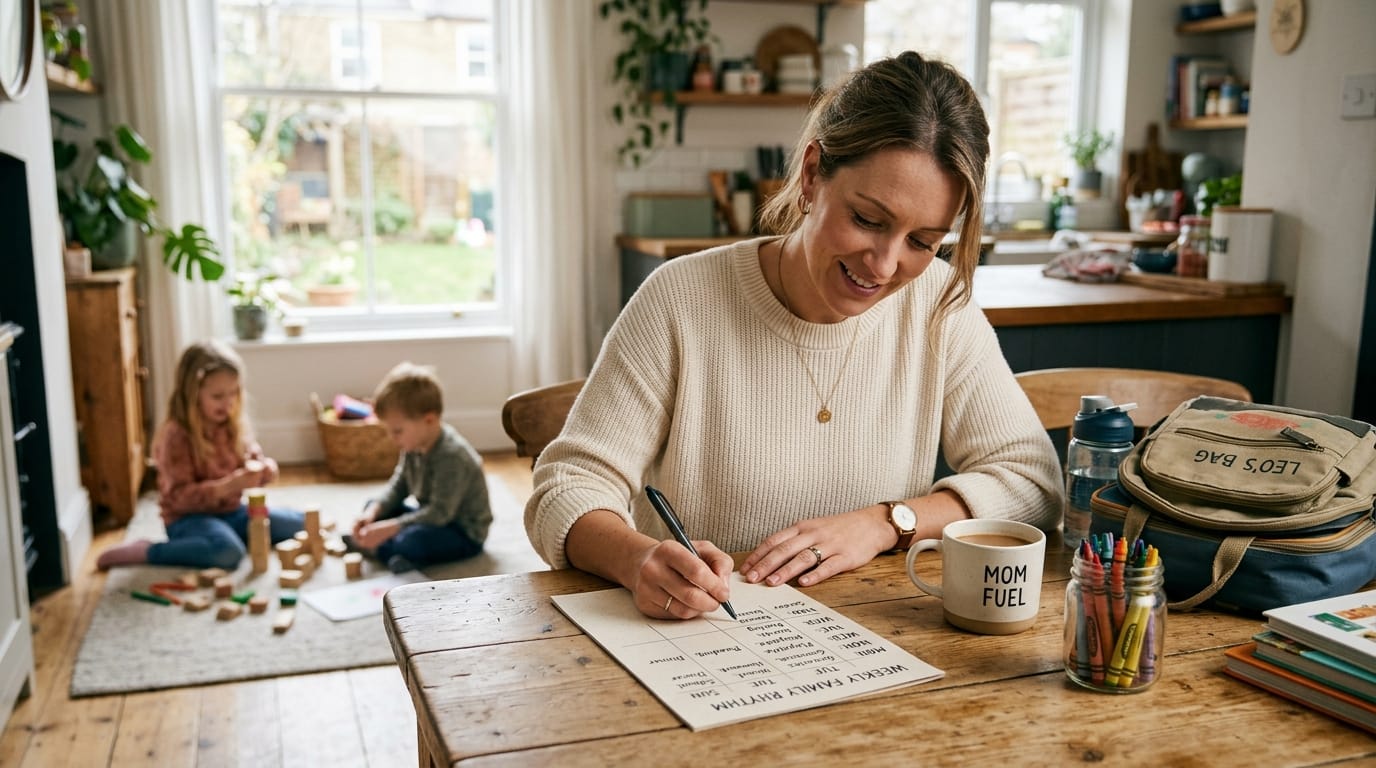
At its core, slow parenting means choosing connection over constant rushing. It means asking, “Does this activity truly help our family, or are we doing it because we feel pressured?” It helps moms separate what matters from what simply fills the calendar.
For one family, slow parenting may mean limiting weekday activities to one or two commitments. For another, it may mean protecting dinner time, turning off screens before bed, or leaving Saturday morning open. For another mom, it may simply mean letting her child help with chores, dress themselves slowly, or figure out how to handle boredom without immediately offering a device.
The goal is not to create a perfect slow lifestyle. The goal is to create breathing room. A slower family rhythm gives children more chances to practice patience, creativity, responsibility, and emotional regulation. It also helps moms stop feeling like they are constantly behind.
It Is Not Lazy Parenting
Some moms worry that slowing down means they are not doing enough. That is mom guilt talking, not reality. Slow parenting is not lazy parenting. It is thoughtful parenting. It takes discipline to say no to unnecessary pressure. It takes confidence to protect your child’s rest. It takes courage to choose a simple afternoon at home when everyone else seems busy with lessons, sports, clubs, and events.
Children do not need constant entertainment to thrive. They need chances to participate in family life. They can help prepare snacks, sort laundry, water plants, build with blocks, draw, read, play outside, or simply sit with their thoughts. These ordinary moments may not look impressive online, but they help children develop confidence and independence.
Why Kids Need More Space, Boredom, and Real-Life Play
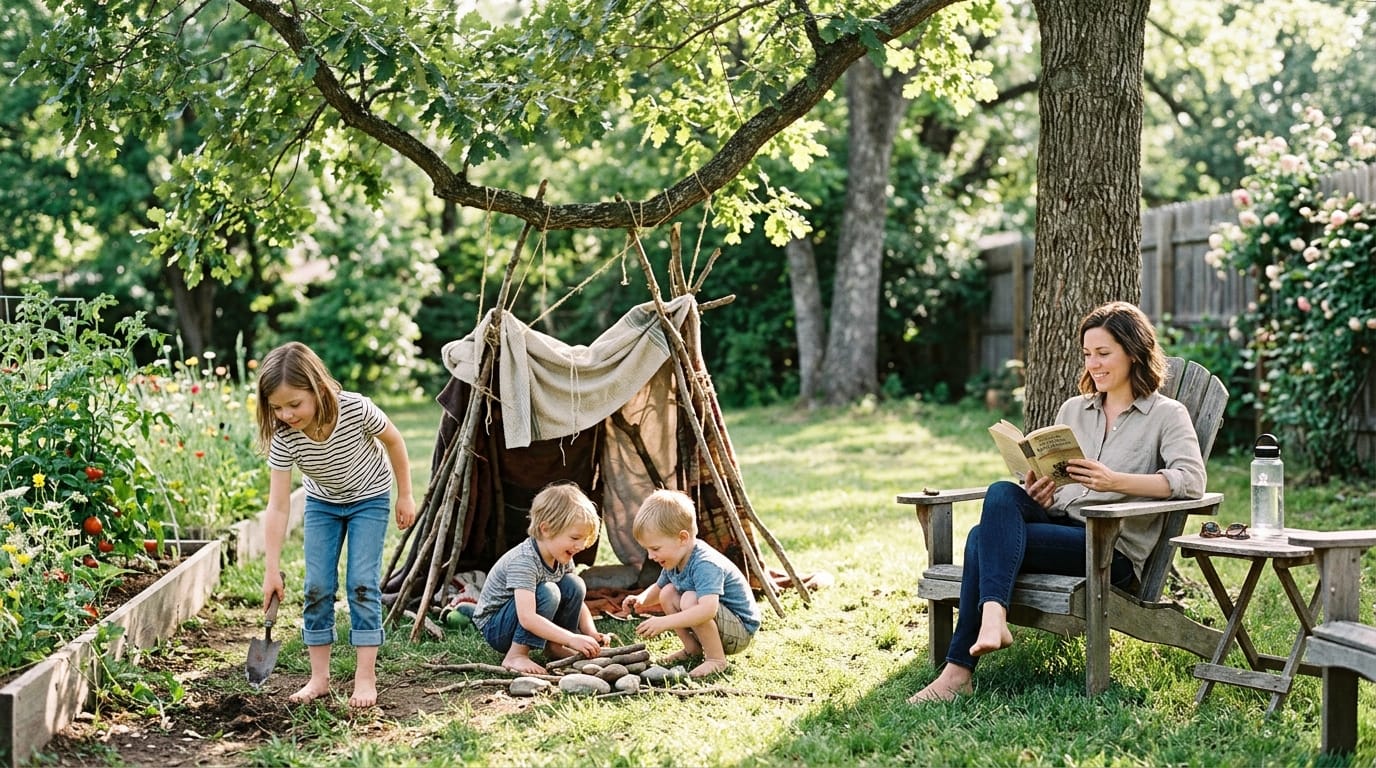
Boredom can feel uncomfortable at first, especially for children who are used to being entertained quickly. But boredom is not always a problem. It can become the doorway to creativity. When children are not instantly handed a screen or activity, they start looking around. They build forts, invent games, ask questions, create stories, or help with what adults are doing.
Unstructured play also supports emotional growth. Children learn how to negotiate, wait, lose, try again, and solve small conflicts. They learn what they enjoy without an adult directing every step. This kind of play may look simple, but it builds important life skills.
Slow parenting also supports better screen balance. Screens are part of modern life, and most families are not trying to remove them completely. The problem starts when screens become the automatic answer to every difficult moment. A calmer approach gives screens a clear place without letting them control the home. If screen time has become a daily battle, read this related guide on creating a family media plan for moms.
Keep Screens Helpful, Not in Control
A slow parenting approach does not treat all screen time as bad. A family movie night, a learning app, a video call with grandparents, or a creative project can all have a place. The key is knowing what screens are replacing. Are they replacing sleep, outdoor play, conversation, reading, movement, or independent problem-solving? If yes, the routine needs adjustment.
Start with simple screen boundaries. Keep meals screen-free. Avoid autoplay when possible. Create a no-phone bedroom rule for kids who are old enough to have devices. Choose one daily time when screens are allowed, rather than negotiating all day. These rules work best when parents model them too. Children notice when adults say one thing but do another.
How Moms Can Start a Slower Family Rhythm This Week
Slow parenting for moms becomes easier when you start small. You do not need to cancel every activity or redesign your entire family life. Begin by choosing one pressure point. Maybe mornings are chaotic. Maybe evenings are too rushed. Maybe weekends feel exhausting instead of restful. Pick one area and simplify it.
If mornings are stressful, prepare school items the night before and create a short visual routine. If evenings feel chaotic, protect a simple dinner rhythm and reduce after-school commitments. If weekends feel packed, leave one half-day open for rest, cleaning, outdoor play, or family connection. Small changes can make the home feel calmer quickly.
Moms should also involve children in the process. Ask simple questions: “What makes our mornings hard?” “What do you wish we had more time for?” “Which activity do you really love?” Children may surprise you with honest answers. Sometimes they are just as tired as adults are.
Protect One Calm Anchor Every Day
A calm anchor is one predictable moment that helps the family reset. It could be breakfast without screens, a 10-minute bedtime reading routine, an after-school snack at the table, or a short walk after dinner. The anchor does not need to be long. It only needs to be consistent enough for everyone to feel grounded.
For busy moms, this matters because a calm anchor reduces decision fatigue. You do not need to invent a new connection moment every day. You simply return to the rhythm. If your mornings are the hardest part of the day, you may also like this guide on stress-free morning routines for busy moms.
A Practical Slow Parenting Routine Moms Can Actually Keep
The best routine is one your family can repeat without constant stress. Start with a simple weekly rhythm. Choose one or two activity days, one family reset day, one outdoor play day, and one slower evening with no extra commitments. Build in rest before the family feels desperate for it.
For younger children, create predictable blocks: wake up, breakfast, school or play, quiet time, outdoor time, dinner, bath, reading, sleep. For older kids, involve them in planning homework, chores, activities, and device time. The more children practice responsibility, the less moms have to manage everything alone.
Slow parenting also works better when moms release the need to make every moment productive. Not every walk needs to be a science lesson. Not every craft needs to become a keepsake. Not every dinner needs to be homemade from scratch. Your child can learn from ordinary life. They can learn from watching you rest, apologize, set boundaries, ask for help, and choose peace over pressure.
This mindset also pairs well with positive parenting. Both approaches focus on connection, respect, and emotional safety. If you want more support with this style, read how to build a positive parenting approach that works.
Final Weekend Reset for a Slower Home
Use the weekend to reset the family rhythm. Remove one unnecessary commitment from the upcoming week. Choose one screen-free zone. Prepare simple meals or snacks. Ask each child to help with one age-appropriate task. Set aside one hour for unstructured outdoor play or quiet indoor creativity. Then choose one thing you will stop feeling guilty about.
That last step matters. Many moms are not only tired from what they do. They are tired from judging themselves while doing it. If guilt has become part of your daily routine, this guide on how to stop mom guilt can help you reset your mindset.
Slow parenting for moms is not about doing less because you do not care. It is about doing what matters with more intention. It gives children room to grow and gives moms room to breathe. In a world that keeps asking families to move faster, choosing a calmer pace may be one of the strongest parenting decisions you can make.