
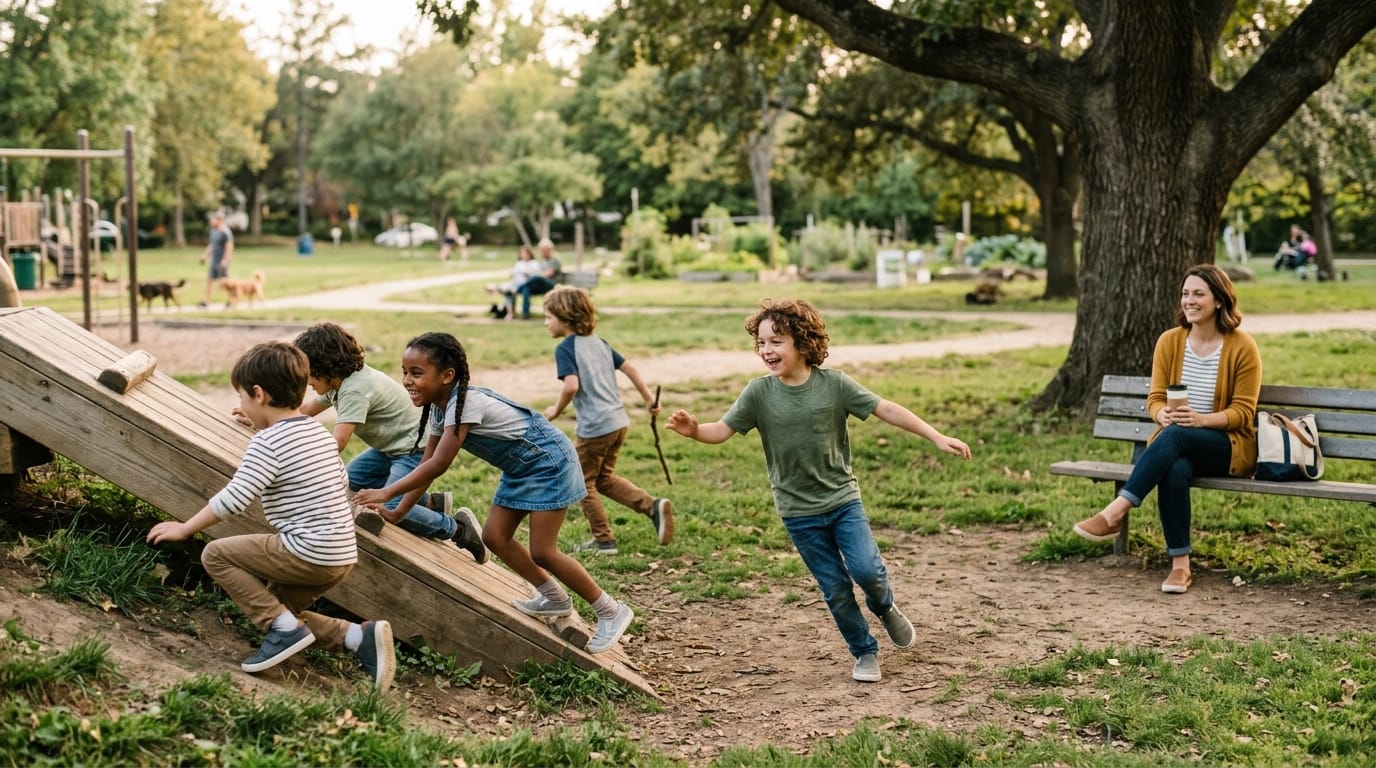
Unstructured play for kids is becoming one of the most important parenting conversations in 2026. In a world filled with tablets, apps, streaming videos, short-form content, online games, and packed schedules, many moms are asking a simple question: are our kids getting enough time to just play?
The answer matters. Children do not only grow through lessons, worksheets, sports practices, and planned activities. They also grow when they invent games, build forts, run outside, dig in the dirt, draw without instructions, pretend to be explorers, and figure out small problems with other children. That kind of play may look ordinary, but it supports creativity, confidence, movement, social skills, and emotional regulation.
For moms, this topic can feel personal. Many adults remember childhoods with more outdoor time, neighborhood play, recess, boredom, and imagination. Today, childhood often feels more supervised, scheduled, digital, and rushed. The goal is not to reject modern life. The goal is to protect enough real-world play so children can develop in a balanced way.
Why Unstructured Play for Kids Is Trending in 2026
Unstructured play for kids is trending because parents, pediatricians, and educators are paying closer attention to what children lose when play disappears. In May 2026, the American Academy of Pediatrics updated its school recess guidance and emphasized that recess is not just a break from learning. It is part of healthy development. Recess gives children time to move, reset, socialize, and practice making choices without adults directing every moment.
This conversation also connects to screen time. Many families are not trying to become completely screen-free. They are trying to become more balanced. If screens fill every quiet moment, children may have fewer chances to practice patience, creativity, and independent problem-solving. That is why our guide to screen-free activities for kids is a helpful starting point for families who want more offline routines without constant battles.
Recess is not wasted time
Some adults still see recess as extra time that can be shortened when academics feel urgent. But children are not machines. Their brains and bodies need movement, social connection, and breaks from structured expectations. A child who has been sitting, listening, writing, and following directions all morning may struggle to focus if there is no time to move.
Recess gives kids a chance to run, climb, talk, laugh, negotiate, take turns, and recover from classroom pressure. It can also help children return to learning with better attention. For some kids, especially those who feel restless or anxious, recess may be one of the few parts of the day where their bodies and emotions can release tension.
What makes unstructured play different?
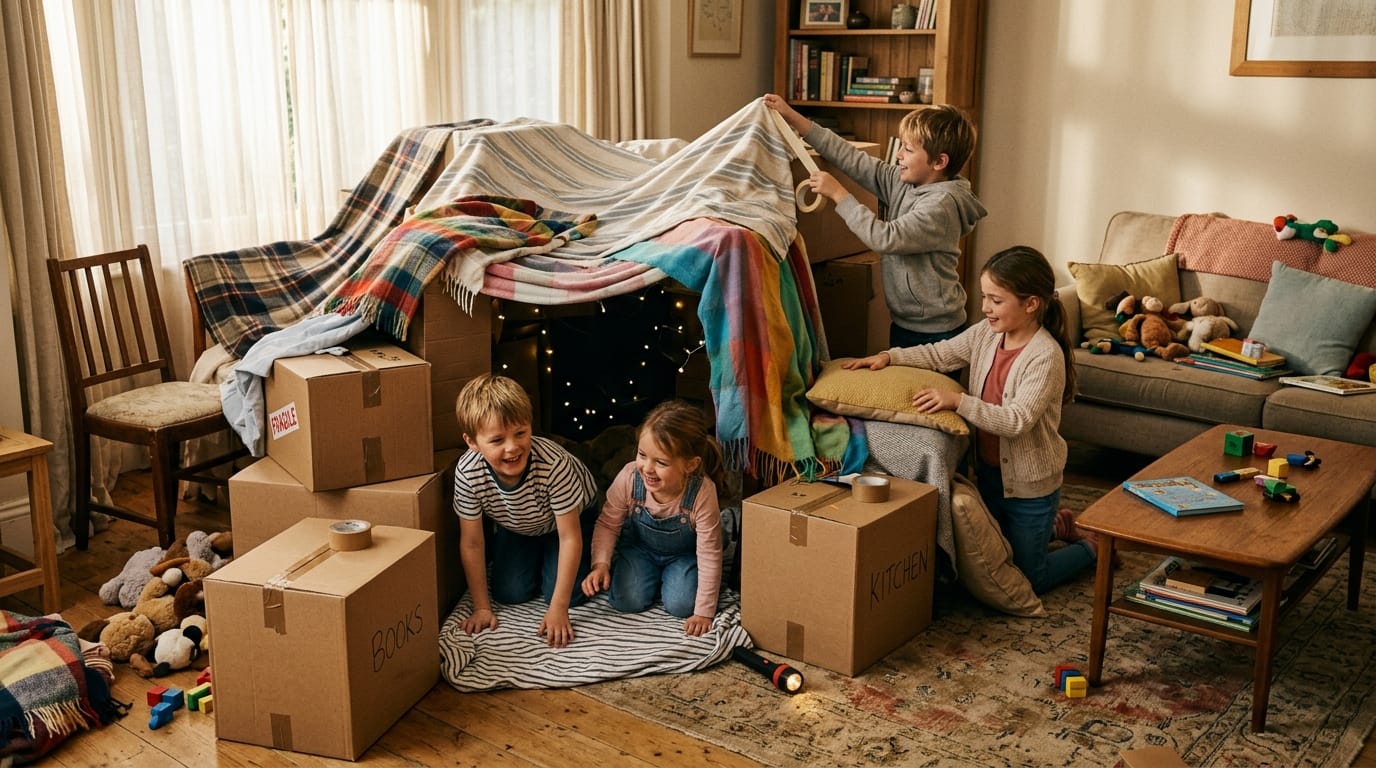
Unstructured play is child-led. That means adults are nearby for safety, but they are not controlling every rule, outcome, or goal. A child may decide that a stick is a magic wand, a cardboard box is a spaceship, or a blanket is a mountain. There is no trophy, worksheet, timer, or perfect result.
This kind of play matters because children practice decision-making. They learn how to begin, change direction, solve problems, and manage disappointment. If two children disagree about the rules of a game, they have to communicate. A tower falls down, and they decide whether to rebuild it. They feel bored, so they learn to create something instead of waiting to be entertained.
Why boredom can be useful for children
Boredom is uncomfortable, but it is not always harmful. In fact, boredom can be the doorway to imagination. When a child says, “I’m bored,” many moms feel pressure to immediately fix the problem. But sometimes the best response is calm encouragement: “That’s okay. Your brain can find something to do.”
At first, kids may complain. This is especially true if they are used to fast entertainment. But over time, children can become better at creating their own fun. They may pick up crayons, build with blocks, read, go outside, help in the kitchen, play pretend, or invent a game with siblings. The first few minutes of boredom may be noisy. After that, creativity often begins.
How Moms Can Bring Back Real-World Play at Home
Moms do not need a perfect backyard, expensive toys, or a complicated schedule to support unstructured play for kids. In fact, too much planning can defeat the purpose. The best play spaces are often simple, flexible, and easy for children to use without needing constant adult help.
Start with what you already have. A basket of blocks, crayons, old boxes, blankets, balls, books, dress-up clothes, toy animals, kitchen-safe containers, or sidewalk chalk can create hours of open-ended play. Outdoors, children can use sticks, leaves, rocks, water, sand, and open space to create their own adventures.
Create a simple play rhythm instead of a strict schedule
Families often do better with rhythms than rigid schedules. For example, you can create a daily rhythm where screens are off after school for the first hour, outdoor play happens before dinner, or Sunday afternoons are set aside for family play. The routine should be predictable enough for kids to understand, but flexible enough for real life.
If screens are the biggest obstacle, create clear boundaries before the day gets stressful. Our 2026 family media plan can help moms set screen-time rules without turning every device limit into an argument. When children know when screens are available and when they are not, they have more room to settle into offline play.
Low-pressure ideas for everyday play
Try a backyard treasure hunt, living room fort building, sidewalk chalk roads, pretend restaurant, homemade obstacle course, water play, nature collecting, library visits, simple board games, or free drawing. The activity does not have to look impressive. The goal is not to create content-worthy childhood moments. The goal is to give children space to explore, move, imagine, and connect.
Weekend routines can also support play without spending much money. A park visit, picnic, library trip, family walk, or screen-free Sunday can help children reconnect with simple fun. For more ideas, read our list of affordable and fun weekend activities for the whole family.
Protect outdoor play while keeping safety in mind
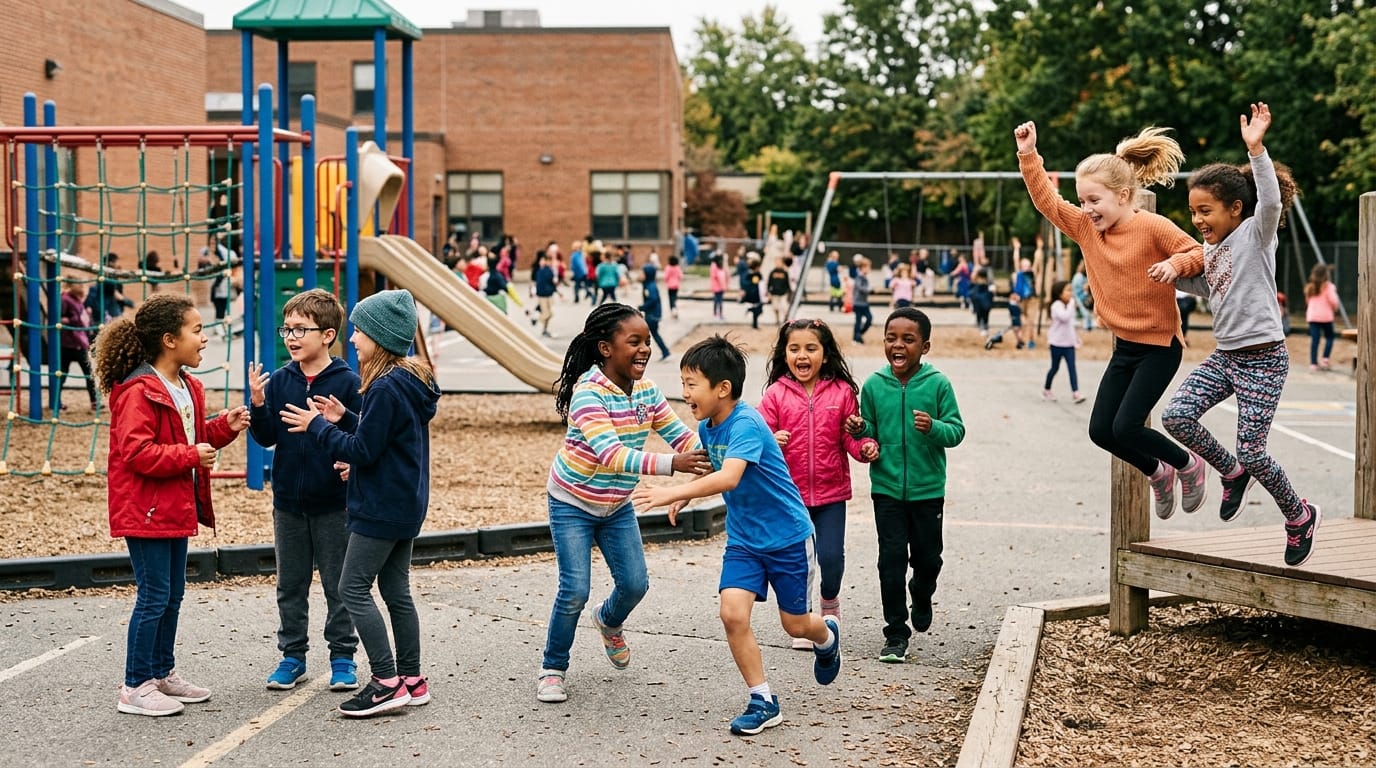
Outdoor play is powerful because children use their whole bodies. They run, balance, jump, climb, chase, dig, and explore. This helps release energy that can build up indoors. It can also support better sleep, mood, and focus. However, moms still need to consider weather, hydration, supervision, and age-appropriate boundaries.
During hot months, outdoor play may need to happen earlier in the morning or later in the afternoon. Bring water, choose shaded areas, use sun protection, and watch for signs of overheating. Our guide to summer heat safety for kids can help families enjoy outdoor play while staying safer in warm weather.
How to advocate for recess at school
If your child’s school has reduced recess, start with curiosity. Ask how much recess children receive each day, whether it is unstructured, and whether recess is ever withheld as punishment. Then talk with other parents. A respectful group conversation is often more effective than one frustrated complaint.
You can also bring reliable information to school meetings. The American Academy of Pediatrics explains that recess supports children’s physical, social, emotional, and academic well-being. For a parent-friendly resource, visit HealthyChildren.org.
At home, remember that protecting play does not mean giving children unlimited freedom with no boundaries. Kids still need safety, respect, routines, and guidance. But they also need enough space to make choices, test ideas, move their bodies, and experience childhood without every moment being managed.
Unstructured play for kids is not old-fashioned. It is necessary. It helps children build the skills they cannot always learn from a screen, a worksheet, or an adult-led activity. In 2026, one of the most meaningful things moms can do is make room for real-world play again: more recess, more boredom, more movement, more imagination, and more simple moments where kids get to be kids.