
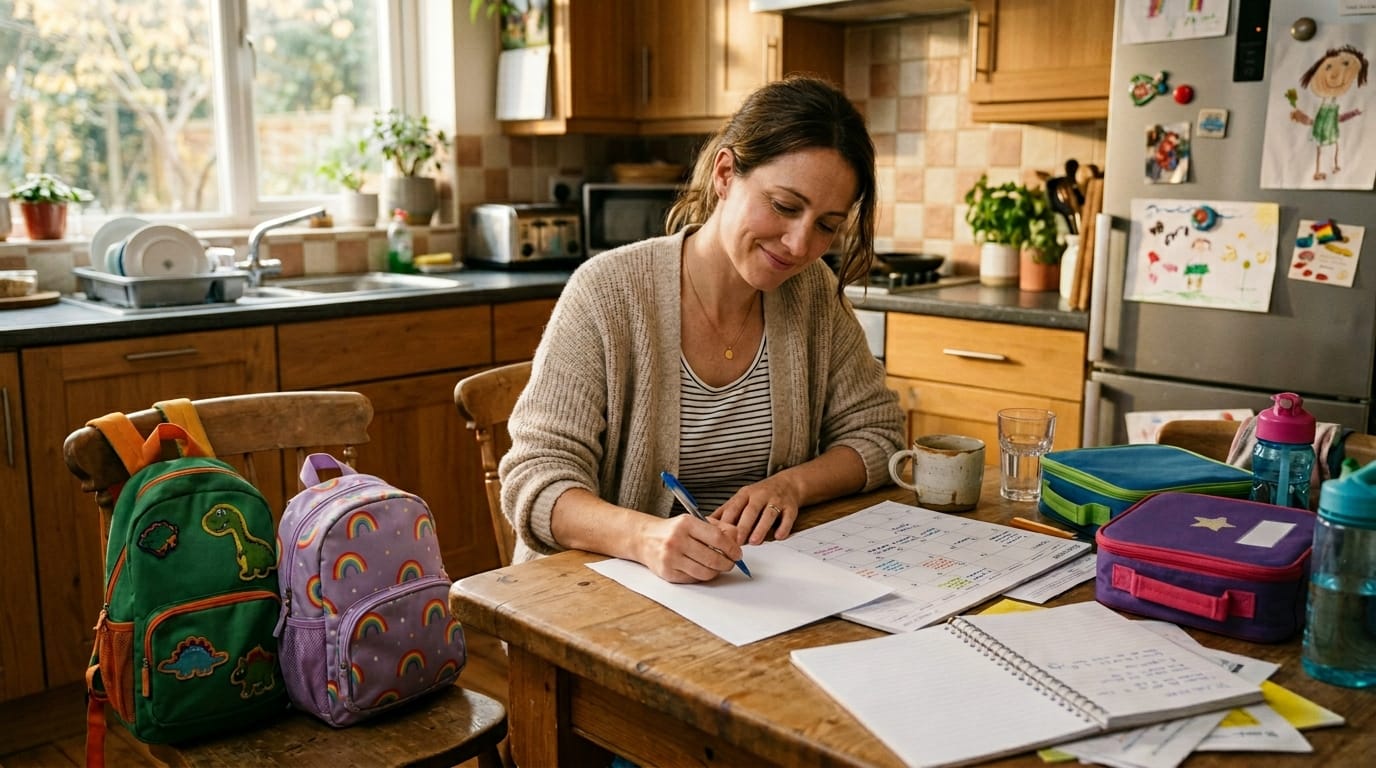
End-of-school-year burnout for moms is real, and it can feel heavier than the busy weeks at the start of the year. By May, families juggle final projects, class parties, field trips, sports schedules, teacher gifts, summer plans. On paper, these things look small. In real life, they pile up until a mom feels like she is carrying the family calendar in her head.
This season can feel confusing because it is supposed to be exciting. Summer is close. Kids are growing. Milestones are happening. But many moms are not only proud or sentimental. They are tired, overstimulated, and mentally full. If you feel impatient, scattered, or emotional over simple tasks, you are not failing. You may simply be reaching the final stretch with an empty tank.
The good news is that you do not need a perfect plan to finish the school year well. You need a calmer plan. A few small changes can help your family lower stress, protect rest, and move through the final weeks.
Why End-of-School-Year Burnout Hits Moms So Hard
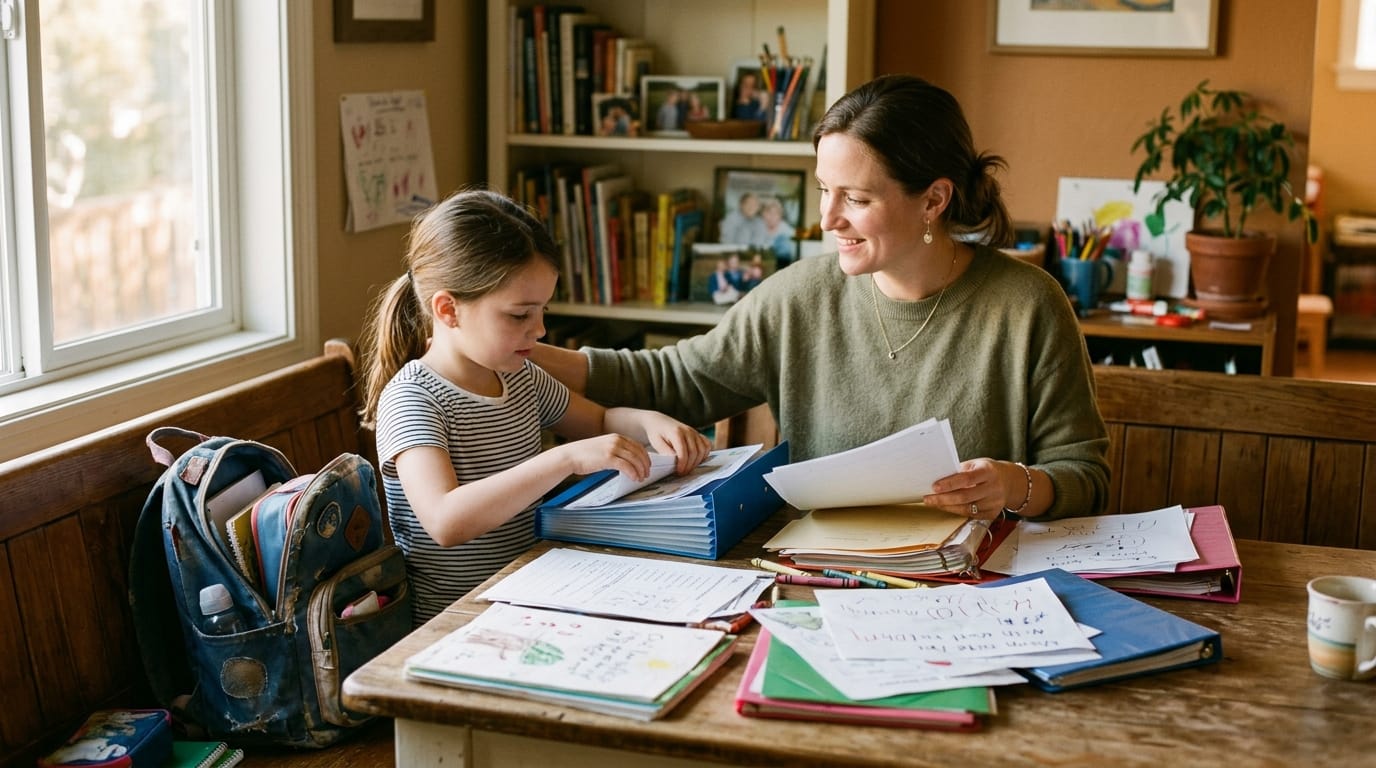
End-of-school-year burnout happens because the demands increase at the same time your energy drops. For months, you have been managing school mornings, homework, meals, appointments, activities, deadlines, and emotions. Then the last few weeks arrive with even more decisions. What needs to be signed? Which event needs snacks? Who needs a costume, a clean uniform, a ride, a reminder, or a permission slip?
This is why the end of the year can feel like a mental load explosion. It is not just the tasks. It is the remembering, planning, adjusting, and anticipating behind every task. If mental load has already been heavy in your home, this season may make it impossible to ignore. You may find it helpful to revisit our guide on mental load for moms for practical ways to share the invisible work.
The calendar gets louder when your energy gets lower
Many moms push through the final school weeks by telling themselves, “Just a little longer.” That mindset can help for a short time, but it can also make you ignore your own warning signs. When the calendar is packed, the brain starts treating everything as urgent. Even simple tasks can feel stressful because there is no breathing room between them.
Kids may also be tired during this time. They have spent months following routines, meeting expectations, learning, socializing, and adjusting. As summer gets closer, some children become more emotional, forgetful, clingy, distracted, or unmotivated. That behavior can frustrate moms, but sometimes what looks like laziness is really end-of-year fatigue.
Common signs your family is running on empty
Your family may be running on empty if mornings feel harder, small requests lead to big reactions, everyone argues more often, or your child suddenly resists routines that used to work. Moms may notice brain fog, irritability, guilt, poor sleep, decision fatigue. Small resets now can protect your emotional health.
Why kids may seem less motivated right now
When children seem checked out near the end of the school year, look beneath the behavior. A child who complains about homework may be overwhelmed. A child who cries over a small mistake may be tired. A child who acts silly or distracted may be trying to cope with transition. The end of school can bring excitement, but it can also bring sadness and overstimulation.
Instead of starting with a lecture, start with connection. Try saying, “This week feels like a lot. What feels hardest right now?” That question gives your child room to explain what is going on. It also reminds them that you are on the same team, even when expectations still matter.
The invisible work behind every school-year ending
One reason this season drains moms is that the visible work is only part of the story. People may notice you attending ceremonies, buying snacks, or packing lunches. They may not notice the late-night mental checklist behind it all. You are tracking dates, teacher messages, outfit needs, transportation, payments, medical forms, summer childcare, meal plans, and everyone’s emotional temperature.
That invisible work can become overwhelming when it stays inside one person’s head. End-of-year burnout is often a sign that the system needs to change, not that you need to become stronger.
How to stop carrying everything alone

Choose one place where all school-year details will live. It can be a shared phone calendar, a whiteboard, a printed checklist, or a notebook on the kitchen counter. Then move the information out of your head and into that system. Add dates, supplies, event times, pickup changes, and summer deadlines.
Next, assign ownership, not just help. Instead of asking someone to “help with teacher gifts,” give them the full responsibility of choosing, buying, and preparing them. Instead of reminding another adult about a school event, let that person own the calendar alert and transportation plan. Real support means the task no longer lives in your brain.
A Gentle Reset Plan for the Final Weeks of School
The goal is not to finish the school year perfectly. The goal is to finish with enough calm, connection, and energy left to enter summer without crashing. Start by lowering the standard where you can. Dinner can be simple. The house can be lived-in. Some events may only need your presence, not your perfection.
Choose essentials, protect rest, and simplify summer prep
Make a short essentials list for the week. Keep it realistic. Include only the school deadlines, work responsibilities, appointments, meals, and family needs that truly matter. Anything extra should earn its place. This helps you stop treating every task as equally urgent.
Rest also needs to become part of the plan, not a reward for finishing everything. A short walk, a quiet cup of coffee, an earlier bedtime, or ten minutes without your phone can help your nervous system settle. For more support, read our post on mom burnout in 2026, especially if exhaustion has started to feel normal.
A simple weekly reset moms can actually follow
Once a week, take fifteen minutes to reset the family plan. Look at the next seven days and ask four questions: What must happen? What can be simplified? Who can own this task? What can we let go of? This quick review can prevent last-minute panic and help the whole family see what is coming.
You can also create a small transition plan for summer. Start with basics: wake-up expectations, screen habits, outdoor time, chores, reading, childcare, and meals. If screens tend to become a battle during school breaks, our 2026 family media plan can help you set healthier boundaries before summer begins.
Finally, remember that your child does not need a flawless ending to have a meaningful one. They need a mom who is present enough to notice the small moments: the last packed lunch, the final walk into school, the messy backpack cleanout, the proud smile after a performance, the quiet sadness of saying goodbye to a teacher.
If this season feels heavy, be honest about that. Tell your family what you need. Ask for help earlier. Put less in your head and more on paper. Let some things be simple. End-of-school-year burnout for moms is not a character flaw. It is a signal that your load needs care, your energy needs protection, and your family systems may need a reset.
You are allowed to celebrate the end of the school year and feel exhausted by it at the same time. Both can be true. Finish gently, choose what matters, and give yourself permission to enter summer as a human being, not a machine.
For additional guidance on parenting stress and burnout, visit the American Psychological Association.