
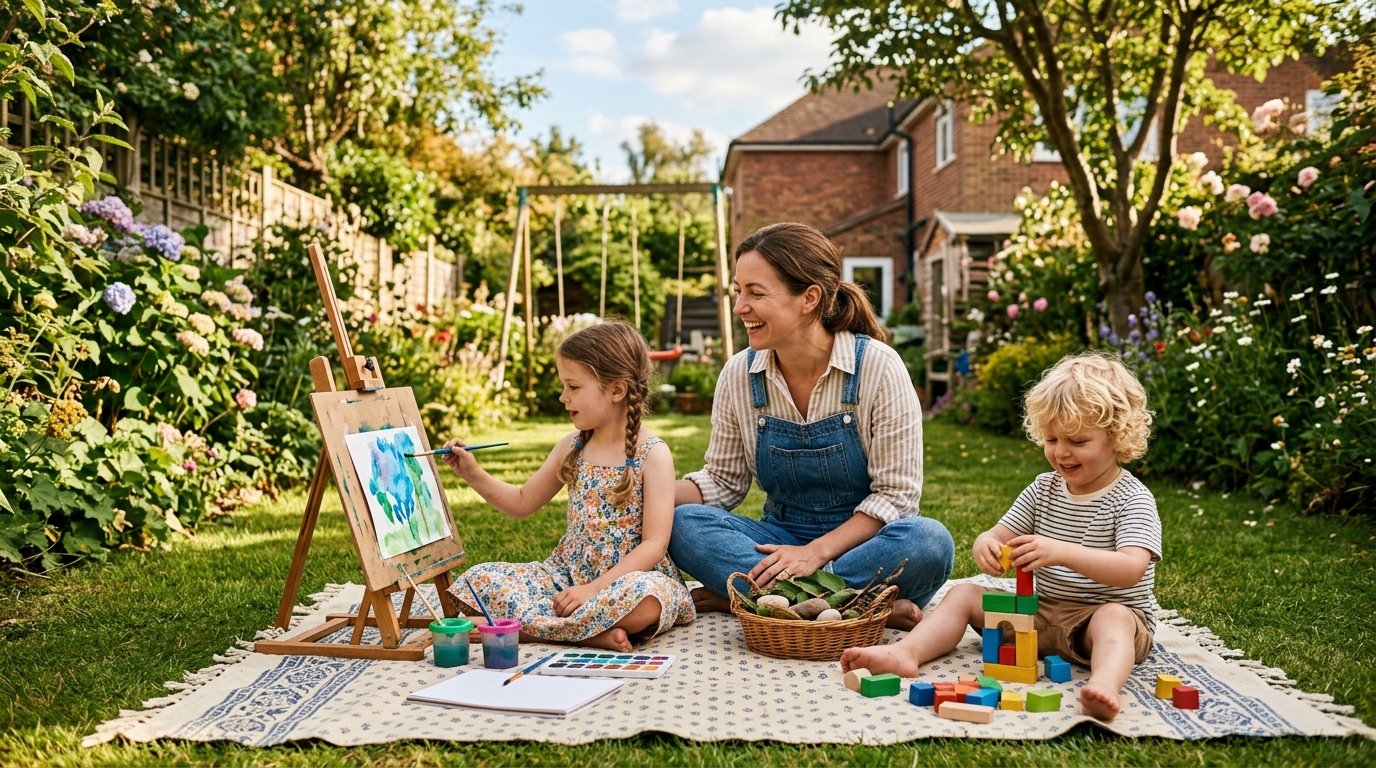
If screen time has started to feel like the loudest topic in your house, you are not alone. Many moms are trying to raise screen-smart children in a world where tablets, streaming videos, games, AI tools, and short-form content are everywhere. That is why screen-free activities for kids are becoming more important in 2026. Families are not trying to remove technology completely. They are trying to bring balance back into everyday life.
The goal is not to make your home perfect or turn every afternoon into a Pinterest project. The real goal is simple: give your child more chances to move, imagine, build, talk, explore, and connect without always reaching for a device. When kids have better offline options, screen limits feel less like punishment and more like a normal part of family life.
This topic also connects naturally with other helpful guides on Great Articles for Moms. If you are already working on better digital habits, you may also like The 2026 Family Media Plan: A Screen-Smart Guide for Moms. If your family needs more affordable weekend ideas, check out Affordable and Fun Weekend Activities for the Whole Family.
Why Screen-Free Activities for Kids Are Trending in 2026
Parents are tired of fighting the same screen battles every day. One more video turns into ten. A quick game becomes an argument. A calm bedtime becomes a negotiation. Moms know technology can be useful, but they also see what happens when screens fill every quiet moment. Kids may become more restless, less patient, harder to redirect, or less interested in simple play.
That is why many families are moving toward a screen-smart lifestyle instead of a screen-free fantasy. This means using devices with intention while protecting time for offline play, movement, creativity, sleep, and family connection. The American Academy of Pediatrics also encourages families to create a personalized media plan that fits their household instead of relying only on random rules. You can review their family media planning guidance through HealthyChildren.org from the American Academy of Pediatrics.
Kids need real-world play, not just digital entertainment
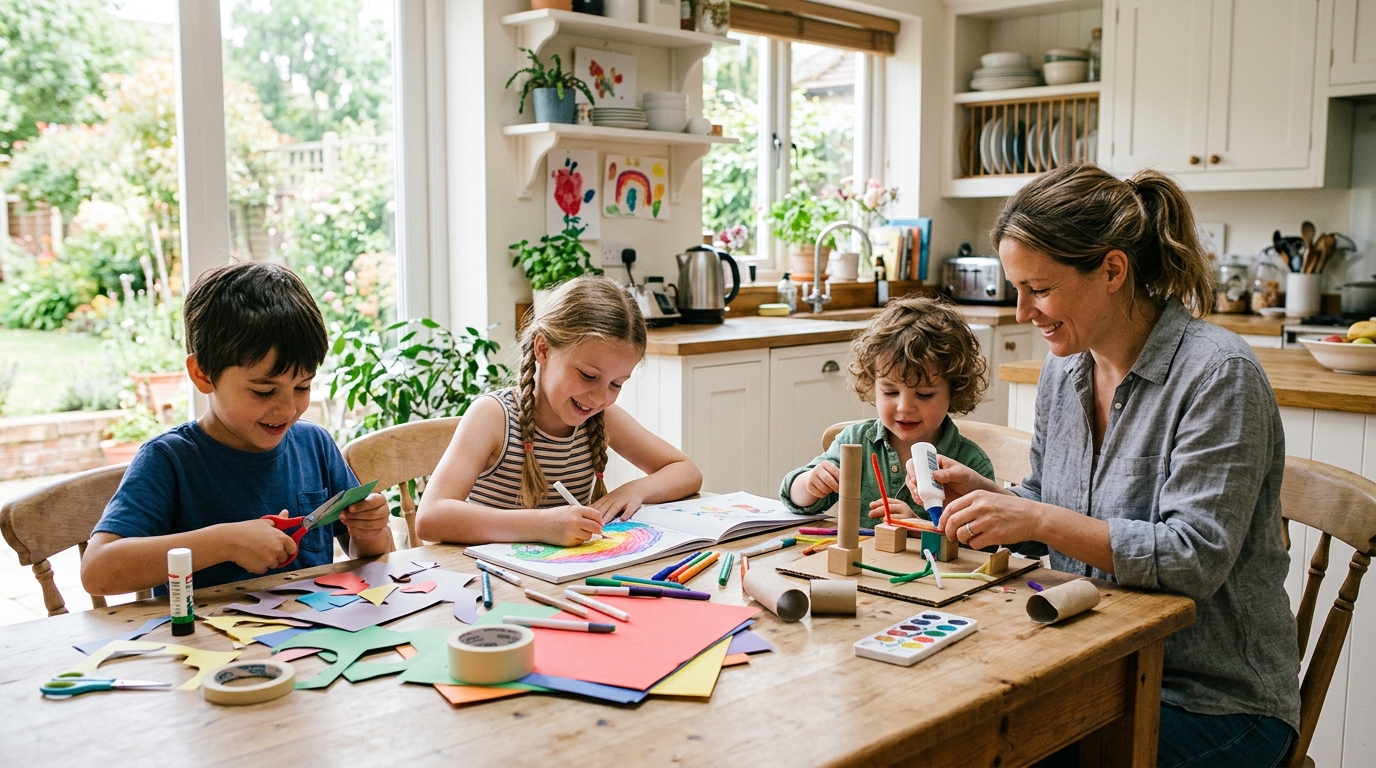
Digital entertainment is easy. Real-world play takes more effort at first, but it gives children something screens cannot fully replace. Kids learn patience when they build a tower that falls. They practice problem-solving when they create a pretend store. They strengthen their bodies when they run, climb, jump, and dance. They develop language and confidence when they tell stories, ask questions, and play with others.
Screen-free activities for kids also help reduce the pressure on moms. When children become used to simple offline routines, they are less dependent on a device every time they feel bored. Boredom is not always a problem. Sometimes boredom is the doorway to imagination.
1. Create a “boredom basket” for easy wins
A boredom basket is one of the easiest tools a mom can prepare. Fill a basket with simple items your child can use without much help. Add crayons, paper, stickers, small puzzles, blocks, pipe cleaners, washable markers, coloring pages, toy animals, card games, and safe craft supplies. Keep it visible and easy to reach.
The trick is to avoid putting everything out at once. Rotate the items every few days so the basket feels fresh. You do not need expensive toys. Many children are happy with cardboard boxes, paper cups, yarn, tape, and old magazines. This works because it gives kids a clear alternative when they say, “I’m bored.” Instead of handing over a tablet, you can point them toward something ready.
2. Use theme days to make offline play feel exciting
Theme days make ordinary activities feel special. You can try “Backyard Explorer Day,” “Kitchen Helper Day,” “Art Studio Day,” “Library Day,” or “Build-a-Fort Day.” These themes do not need to be complicated. The point is to give your child a small idea that sparks curiosity.
For example, Backyard Explorer Day can include collecting leaves, spotting insects, drawing clouds, or making a simple nature journal. Kitchen Helper Day can include washing fruit, mixing pancake batter, sorting snacks, or helping plan a simple lunch. When kids feel included, they are more likely to cooperate and less likely to complain about missing screens.
Simple Screen-Free Activities Moms Can Actually Use
The best screen-free activities for kids are realistic. If an activity requires too much setup, too much cleanup, or too much money, most busy moms will not keep doing it. Your activities should fit into real life: after school, before dinner, during weekends, on rainy days, or while you are trying to finish chores.
Start with activities that match your child’s age and energy level. Younger kids often need sensory play, pretend play, and movement. Older kids may enjoy challenges, building projects, journaling, sports, cooking, or learning real-world skills. The more your child feels ownership, the more likely the habit will stick.
Indoor activities for busy weekdays
Indoor activities are helpful when the weather is bad, dinner is not ready, or everyone is tired. Try a living room obstacle course using pillows, chairs, and blankets. Let your child create a restaurant menu and pretend to serve dinner. Set up a ten-minute drawing challenge where everyone draws the same object in a funny way. Build a reading corner with pillows and a basket of books.
You can also use household chores as screen-free activities. Children can match socks, sort spoons, wipe safe surfaces, water plants, fold small towels, or help prepare snacks. It may take longer at first, but it teaches responsibility and gives kids a sense of contribution. For moms carrying too much invisible planning, this also supports the ideas shared in How Moms Can Reduce Mental Load and Feel Less Overwhelmed Every Day.
3. Build a five-minute activity menu
Not every activity needs to last an hour. In fact, short activities are often more useful. Create a five-minute activity menu and post it somewhere visible. Add ideas like dance to one song, draw a silly animal, stack cups, do ten jumping jacks, make a paper airplane, read one short book, or tell a story using three random toys.
This works well during transition moments. If your child is waiting for dinner, waiting for bath time, or struggling after school, you can offer a quick offline activity before screens become the automatic answer. Small routines can change the mood of the whole house.
Outdoor activities that help kids reset

Outdoor play is one of the most powerful ways to reduce screen battles. Children often calm down when they can move their bodies and use their senses. A walk around the neighborhood, a park visit, a backyard scavenger hunt, or a simple ball game can help release energy that builds up indoors.
Try giving outdoor time a mission. Ask your child to find three round things, two yellow things, one interesting rock, or five different sounds. Bring chalk outside and let them create roads, hopscotch, or pretend shops. If you have limited space, bubbles, jump ropes, hula hoops, or a small watering can can still create meaningful play.
4. Make screen-free time part of the family rhythm
The biggest mistake is treating screen-free time like a one-time event. Kids need rhythm. Choose one or two predictable times when screens are not part of the routine. It could be the first 30 minutes after school, dinner time, the hour before bed, or Sunday morning. Keep it simple and repeat it often.
Expect resistance at first. That does not mean the plan is failing. It means your child is adjusting. Stay calm, offer choices, and avoid turning every limit into a lecture. You can say, “Screens are done for now. You can choose blocks, drawing, or helping me with snack.” Clear choices work better than long explanations.
Screen-free activities for kids are not about being anti-technology. They are about protecting childhood from becoming too passive, too rushed, and too dependent on devices. Kids still need dirt, crayons, books, pretend play, movement, family stories, kitchen messes, quiet boredom, and laughter that does not come from a screen.
For moms, the goal is not to entertain children every second. The goal is to build a home rhythm where offline play feels normal again. Start small. Pick one activity basket, one outdoor habit, or one screen-free part of the day. Over time, those small changes can reduce battles, support healthier routines, and bring more real connection back into family life.