
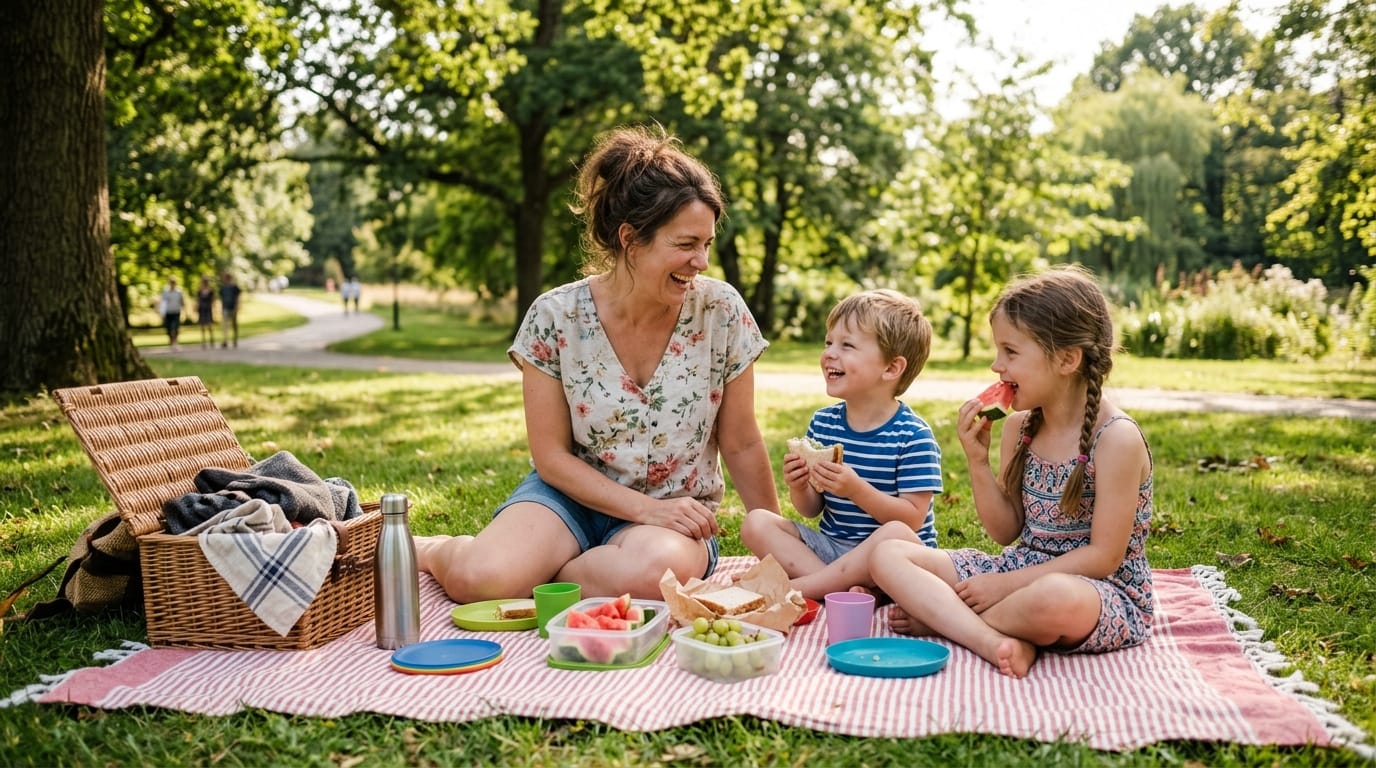
Budget family micro-adventures are becoming one of the smartest ways for moms to create meaningful memories without spending thousands on big vacations. In 2026, many families are looking for simpler, screen-smart, and more affordable ways to enjoy time together. The good news is that kids do not always need flights, resorts, or packed itineraries to feel excited. Sometimes, a picnic at the park, a sunset walk, a backyard camp night, or a local “tourist day” can become the memory they talk about for years.
For moms, this is a realistic parenting win. You do not need to wait for a perfect schedule, a huge budget, or a long school break. A micro-adventure can happen after school, on a Saturday morning, during a long weekend, or even in your own home. The goal is not to impress anyone. The goal is to help your family feel connected, curious, and present.
This trend also fits beautifully with screen-smart parenting. When children have something interesting to do in the real world, it becomes easier to reduce screen battles. If your family is trying to create better digital habits, you may also enjoy this guide on creating a family media plan for moms.
Why Micro-Adventures Are Trending With Moms in 2026
Micro-adventures are trending because many moms are tired of feeling like family fun has to be expensive, complicated, or photo-perfect. Social media can make it seem like every meaningful childhood memory needs a themed birthday, a luxury trip, or a perfectly styled activity. Real family life is different. Moms are managing work, meals, school routines, laundry, budgets, tantrums, and mental load. A simple adventure that feels doable is often more valuable than a big plan that leaves everyone exhausted.
A budget family micro-adventure is a small experience that feels different from your normal routine. It can be local, low-cost, and short. What makes it special is the intention behind it. You are saying, “Today, we are going to notice something new together.” That simple shift can turn an ordinary day into something memorable.
Kids remember connection more than expensive details

Children often remember how a moment felt more than how much it cost. They remember laughing in the car, eating snacks outside, collecting shells, watching clouds, getting muddy, telling stories, or staying up a little later for a backyard movie night. These small moments help children feel seen and included.
This is why micro-adventures work so well for busy families. They do not require a major plan. You can choose one simple idea and make it feel special by giving it a name. Instead of saying, “Let’s go for a walk,” call it a “neighborhood treasure hunt.” Instead of saying, “We’re eating outside,” call it a “mini picnic night.” Instead of saying, “We’re cleaning the backyard,” call it a “garden discovery mission.”
What counts as a family micro-adventure?
A family micro-adventure can be anything that breaks the routine in a fun, healthy, and intentional way. It could be a breakfast picnic, a library day, a nature walk, a local museum visit, a beach afternoon, a park scavenger hunt, a sunrise drive, a train ride, a backyard campout, or a homemade travel journal.
The activity does not have to be far from home. In fact, keeping it close often makes it easier to repeat. A nearby park can become your “family adventure spot.” A small walking trail can become your “weekend explorer route.” A local café can become the reward after a morning of outdoor play. What matters is that your child feels the day has a little spark.
Why simple adventures help with screen balance
One of the biggest reasons moms love micro-adventures is that they create natural screen-free time. Instead of constantly saying, “Put the tablet down,” you are giving your child something else to look forward to. This is especially helpful for families trying to reduce daily screen struggles.
HealthyChildren.org, a parenting resource from the American Academy of Pediatrics, recommends keeping room for activities like reading, outdoor play, family games, and hobbies so screens do not crowd out important experiences. You can read more from their family media plan guide.
If your child resists screen-free time, do not start with a full-day adventure. Start small. Try one hour. Try one walk. Try one snack outside. Kids adjust better when the new routine feels fun instead of forced.
How micro-adventures support slow parenting
Budget family micro-adventures also support the idea of slow parenting. Slow parenting is not about doing nothing. It is about choosing fewer things with more intention. Instead of rushing from one expensive activity to another, you create space for your child to notice, ask questions, and enjoy the moment.
This connects well with slow parenting for moms. A slow parenting approach helps families move away from overscheduling and comparison. Micro-adventures give moms a practical way to live that idea. You are still creating meaningful experiences, but you are not burning yourself out to do it.
How to make a normal outing feel special
The easiest way to make a normal outing feel special is to add a tiny ritual. Let your child help choose the snack. Bring a small notebook for drawings. Take one family photo at the same spot every month. Create a simple “adventure jar” with low-cost ideas written on paper. Let your child pick one every weekend.
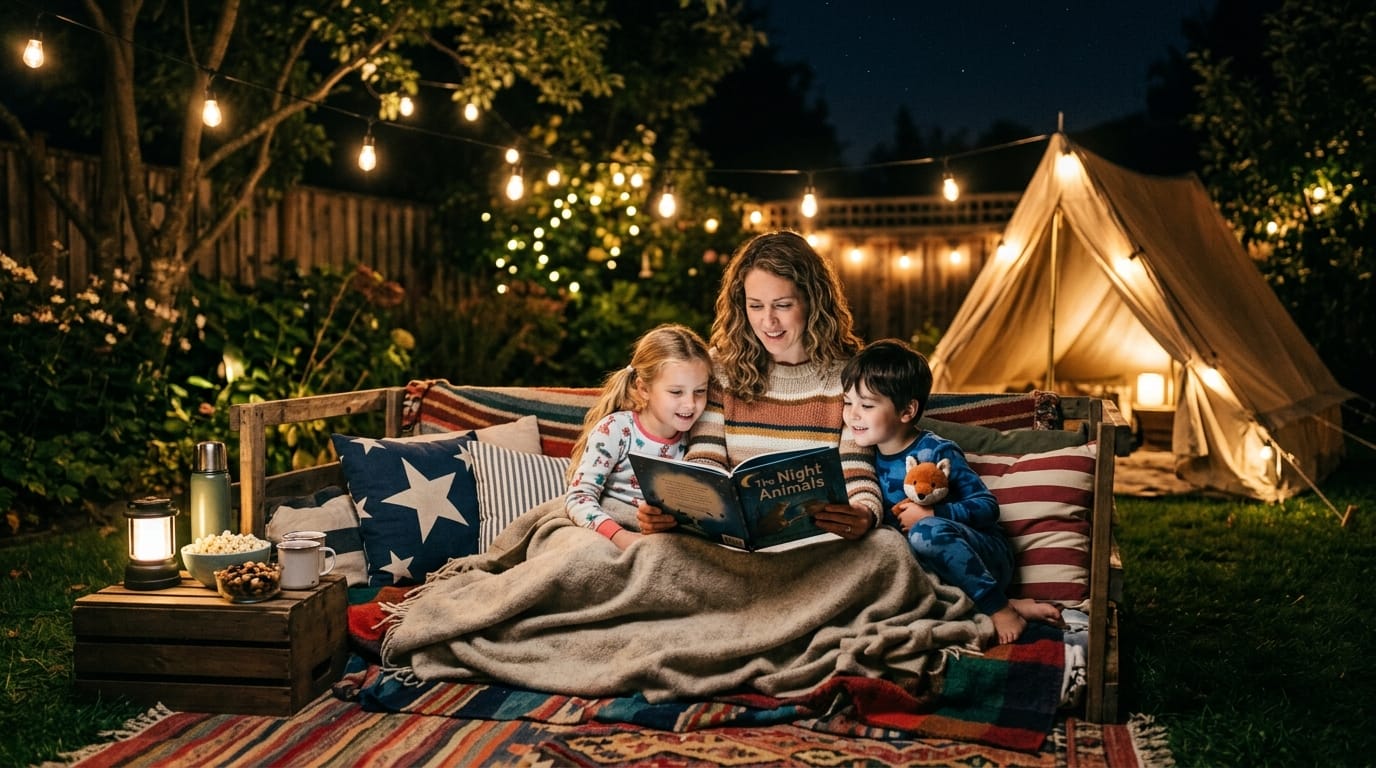
You can also use themes. A regular park visit can become a “bird watching morning.” A grocery trip can become a “five-color food challenge.” A walk around the block can become a “shape hunt.” A rainy afternoon can become an “indoor camping day” with blankets, flashlights, and snacks. These small details make the experience feel new without making it expensive.
Easy Budget Family Micro-Adventure Ideas Moms Can Try
The best micro-adventures are simple enough to actually happen. Do not choose ideas that require too much preparation, too much driving, or too much money. Start with what your family already enjoys, then add a small twist.
One easy idea is a park breakfast picnic. Pack fruit, sandwiches, muffins, or simple leftovers and eat outside before the day gets busy. Kids usually love the change of scenery, and moms do not need to cook anything fancy. If food planning stresses you out, check this related post on simple meal prep hacks for moms.
Another idea is a local “tourist day.” Pretend your town is a new place. Visit a public garden, a library, a small museum, a local landmark, a weekend market, or a playground you have never tried before. Let your child take photos, draw what they saw, or rate the place with stars. This gives them ownership of the experience.
You can also try a family sunset mission. Choose one evening a week to watch the sunset from a safe spot. Bring snacks, a blanket, or hot chocolate. Ask each family member to share one good thing about the day. This is low-cost, calming, and easy to repeat.
Screen-free micro-adventures for different ages
For toddlers, keep the adventure short and sensory. Try a bubble walk, a leaf hunt, water play, a playground morning, or a backyard picnic. Toddlers do not need complicated activities. They need safe spaces to explore, touch, move, and repeat.
For preschoolers, add imagination. Turn a walk into a dinosaur search, a garden into a fairy forest, or a living room into a pretend train station. Preschoolers love simple stories, so build a small adventure around a theme.
For school-age kids, give them a little responsibility. Let them plan the snack, choose the route, create a scavenger hunt, take photos, or make a travel journal. Older kids are more likely to participate when they feel trusted, not dragged along.
Micro-adventures can also help bring back unstructured play for kids. Not every minute needs to be guided. Sometimes the best part of the adventure is when children invent their own game, collect random objects, build something from sticks, or simply run around.
How to plan micro-adventures without adding more mental load
The key is to keep a short list of repeatable ideas. Do not start from zero every weekend. Create three categories: outdoor, indoor, and local. Outdoor ideas might include a park picnic, beach walk, backyard campout, bike ride, or nature hunt. Indoor ideas might include blanket forts, family board games, baking day, indoor camping, or library reading time. Local ideas might include a museum, market, public garden, playground, or community event.
Then choose based on your real energy level. If everyone is tired, pick the easiest option. If the weather is bad, choose an indoor adventure. If the budget is tight, choose something free. If the kids are restless, choose movement. A good family adventure should support your life, not punish you with extra work.
It also helps to prepare a small adventure bag. Keep reusable water bottles, wipes, sunscreen, a small first-aid kit, snacks, a notebook, crayons, and a lightweight blanket ready. This reduces the stress of leaving the house and makes spontaneous outings easier.
Budget family micro-adventures remind moms that beautiful childhood memories do not have to be expensive. A child can feel loved during a five-star vacation, but they can also feel loved while eating sandwiches at the park, watching stars from the backyard, or riding the bus just for fun. What matters most is presence, connection, and the feeling that your family has little traditions of its own.
Start with one small adventure this week. Keep it simple. Let it be imperfect. Take the pressure off yourself. Your children do not need a perfect itinerary. They need moments where they can laugh, explore, and feel that you are truly there with them.