
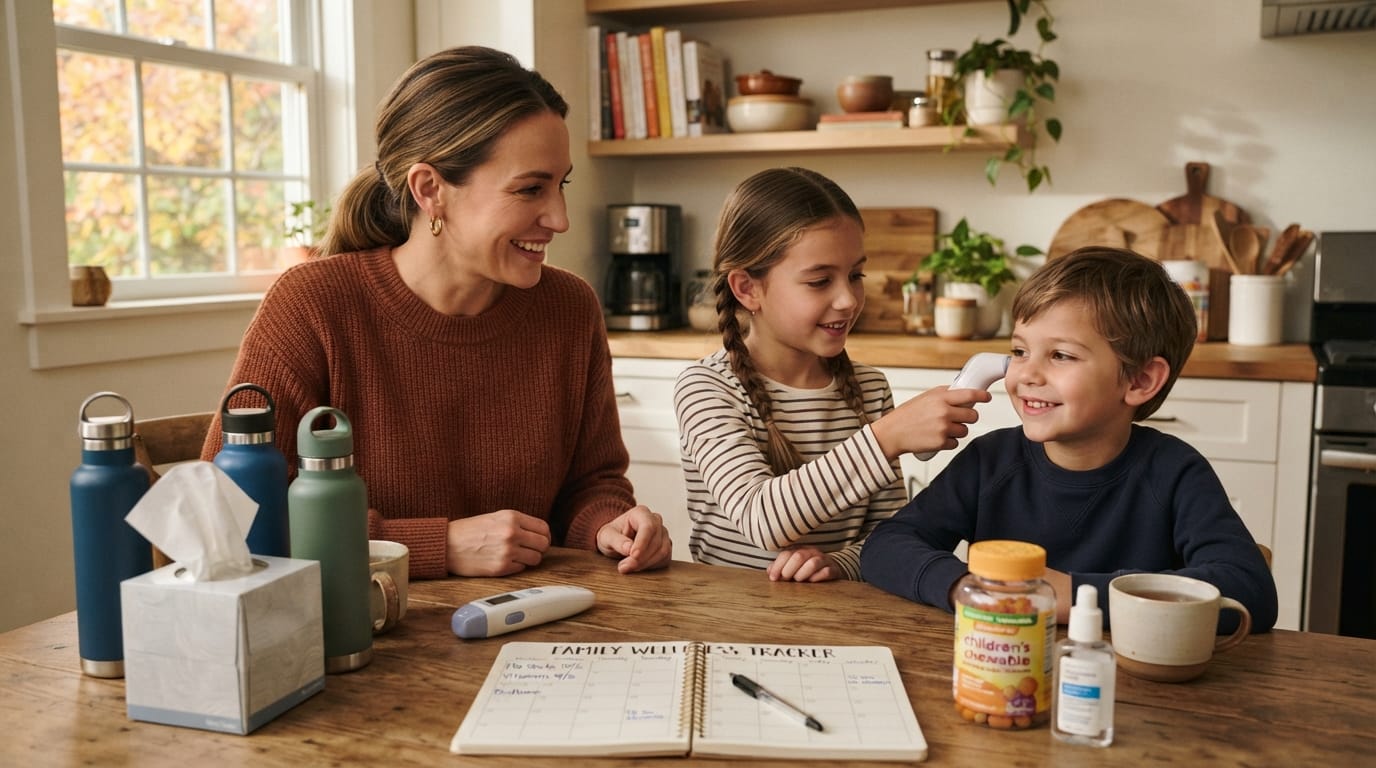
Flu season for families is officially back on the fall parenting checklist. Between school mornings, sports, daycare, work schedules, birthday parties, and everything else moms already manage, adding another seasonal illness plan may feel like one more job.
However, a little preparation can make flu season much easier to handle.
The 2026–2027 season has some important updates. The Centers for Disease Control and Prevention says this year’s U.S. flu vaccines contain three updated virus components. All three changed compared with the 2025–2026 vaccines.
CDC currently expects the 2026–2027 flu season to be moderate overall, although seasonal severity is difficult to predict before activity increases. That uncertainty matters for parents because the previous flu season was classified as high-severity for children.
The goal is not to make moms anxious. It is to help families prepare before the first “Mom, I don’t feel good” morning arrives.
What Moms Should Know About Flu Season for Families in 2026
Influenza is more than a bad cold. It can cause fever, cough, sore throat, body aches, fatigue, headaches, and sometimes vomiting or diarrhea, particularly in children.
Most kids recover, but flu can also lead to complications such as pneumonia, dehydration, worsening asthma, or hospitalization.
That is why prevention matters even in families with otherwise healthy children.
CDC currently recommends yearly flu vaccination for most people age 6 months and older who do not have a contraindication. The specific vaccine that fits your child can depend on age and health history, so your pediatrician or pharmacist can help you choose an appropriate option.
The 2026–2027 Flu Vaccine Has Been Updated
All U.S. flu vaccines for the 2026–2027 season are trivalent. That means they are designed to protect against three influenza virus components.
For this season, all three components were updated compared with the previous year’s vaccine. One important change targets the influenza A(H3N2) family that circulated widely during the 2025–2026 season.
This does not mean the vaccine can predict every virus that will circulate. Flu viruses change over time, and vaccine effectiveness can vary from season to season.
Still, vaccination can reduce the risk of influenza illness and serious complications. It can also reduce illness severity in some people who become infected despite vaccination.
September and October Are Useful Months to Check Your Family’s Status

For many people who need one flu vaccine dose, September and October are generally good months to get vaccinated. CDC says vaccination can continue later in the season as long as influenza viruses continue circulating.
That means missing an October appointment does not automatically mean your family has missed the opportunity for protection.
This is also a good time to combine flu planning with routine pediatric care. If your child’s annual appointment is coming up, use our 2026 well-child visit checklist for busy moms to keep questions, vaccine records, medications, and school forms organized without trying to remember everything at once.
The easiest system is usually the one that removes information from your head. Add each child’s appointment or vaccine plan to your shared family calendar and move on.
Some Younger Children May Need Two Flu Vaccine Doses
This is one detail parents can easily miss.
Some children ages 6 months through 8 years need two flu vaccine doses during the same season. The doses must be given at least four weeks apart.
In general, children in this age group may need two doses if they have not previously received at least two flu vaccine doses given at least four weeks apart, or if their vaccination history is unknown.
Children who need two doses should start early enough to receive the second dose on schedule. Your child’s healthcare provider can confirm whether one or two doses are needed based on the child’s vaccination history.
Children younger than 6 months are too young for flu vaccination. For families with a young infant, vaccination and illness prevention among parents, siblings, and caregivers become especially important because babies in this age group have a higher risk of flu hospitalization.
Make a Simple Family Sick-Day Plan Before Anyone Gets Sick

Flu preparation is not just about vaccines. It is also about reducing chaos when illness actually enters the house.
Moms often end up managing medicine schedules, thermometer readings, school messages, groceries, laundry, work notifications, and everyone else’s comfort at the same time.
You do not need a complicated emergency command center. A simple system is enough.
Keep your thermometer easy to find. Check that you have basic supplies recommended for your family. Save your pediatrician’s phone number and after-hours instructions somewhere both caregivers can access.
Know your school or daycare’s illness policy before you need it. That way, you are not reading three pages of attendance rules while holding a feverish child at 6:30 in the morning.
Share the Sick-Day Mental Load Instead of Managing It Alone
A sick child does not automatically have to become a mom-only responsibility.
If you have a partner or another caregiver, divide ownership rather than waiting for one person to delegate every small task. One adult can manage medications and temperature notes while another handles meals, school communication, pharmacy pickups, or laundry.
This is the same principle discussed in our guide on reducing the mental load for moms. Sharing responsibility means another adult owns the task from beginning to end instead of asking Mom what to do at every step.
Create one shared note for important information. Include when medicine was given, temperature changes, symptoms, and any questions you want to ask the pediatrician.
That simple habit can prevent the classic midnight conversation: “Wait, when did we give the last dose?”
How to Keep Flu Season From Taking Over Family Life
No family can prevent every virus. Kids share classrooms, toys, sports equipment, lunch tables, playgrounds, and plenty of germs.
The realistic goal is not perfection. It is reducing avoidable exposure while keeping routines manageable.
CDC recommends everyday prevention habits such as covering coughs and sneezes, washing hands, avoiding close contact with people who are sick when practical, improving cleaner-air practices, and cleaning frequently touched surfaces when appropriate.
These habits work better when they feel normal rather than scary.
Build Prevention Into Routines Kids Already Have
Instead of giving children a lecture about germs every morning, attach healthy habits to routines that already exist.
Wash hands when coming home. Put reusable water bottles in the same place each evening. Make tissues easy to reach. Teach children to cough or sneeze into their elbow.
Sleep matters too. A tired family has less patience for everything, including illness. Try to protect bedtime when school, activities, and screens begin pushing it later.
Nutrition does not need to become a perfect immune-boosting meal plan. Kids need regular food, fluids, and enough variety over time. If lunchboxes and after-school snacks are getting repetitive, our list of healthy snacks kids actually enjoy can make family food planning easier.
Know When a Sick Child Needs Medical Help
Most flu cases can be managed with supportive care, but parents should know when symptoms need medical attention.
Contact your child’s healthcare provider if you are worried about symptoms, especially when your child is very young or has an underlying medical condition.
Seek urgent medical care for concerning signs such as difficulty breathing, bluish lips or face, severe dehydration, chest pain, seizures, unusual confusion, a child who is difficult to wake, or symptoms that improve and then return significantly worse.
Babies and young children may not explain what they feel clearly. Watch behavior. A child who seems unusually sleepy, weak, quiet, dehydrated, or unable to keep fluids down may need evaluation.
When in doubt, call the pediatrician rather than trying to diagnose flu severity through social media.
One more thing is worth remembering: illness is not a parenting failure.
You can vaccinate, wash hands, clean surfaces, protect sleep, serve healthy food, and still have a child come home with influenza. Schools and childcare settings make respiratory viruses difficult to avoid completely.
The goal of flu season for families is not to create a germ-free home. It is to lower risk, recognize problems early, and have a plan that keeps one difficult week from becoming total household chaos.
This October, check each child’s flu vaccine status. Ask whether a younger child needs one or two doses. Restock simple sick-day supplies. Save your pediatrician’s contact information. Share the plan with your partner or caregiver.
Then let the system do some of the remembering for you.
Moms already carry enough invisible planning. Flu season does not need to become another thing you hold entirely in your head.
For the most current seasonal guidance, vaccine information, and updates, visit the CDC’s official 2026–2027 flu season resource.
This article is for general educational purposes and does not replace medical advice. Vaccine recommendations and treatment decisions can depend on age, health conditions, allergies, pregnancy, previous reactions, and individual medical history. Contact a qualified healthcare professional for guidance specific to your family.