

If you’re a mom, chances are you already keep track of a hundred things before noon. School forms, lunch boxes, screen-time battles, grocery lists, sleep issues, birthday invites, and somehow also remembering where everyone left their shoes. So when another pediatric visit shows up on the calendar, it can feel like one more task to juggle instead of something helpful. That’s exactly why a simple well-child visit checklist matters in 2026.
For a lot of moms, the stress is not the appointment itself. It’s the mental load around it. You want to remember your questions. You want to bring the right forms. You want to mention the sleep issue, the picky eating, the strange rash from last week, and that new behavior your child started at bedtime. Then you get to the office, your kid is cranky, and half of what you meant to ask disappears from your brain.
A well-child visit works best when it feels less like a scramble and more like a reset point. It’s not just a shot visit. It’s not just about whether your child is “sick or not sick.” It’s a chance to check growth, development, routines, behavior, nutrition, sleep, and the small concerns moms often keep putting off because life is busy.
This topic fits Great Articles for Moms especially well because the site already speaks directly to real-life motherhood. If your readers are already trying to reduce overwhelm with posts like The 2026 Family Media Plan and emotional pressure with How to Stop Mom Guilt, then a practical guide to handling pediatric checkups without more chaos is a natural next step.
Why Well-Child Visits Still Matter More Than Moms Think

Many moms know well-child visits are important in theory, but in everyday life they can easily slip into the category of “we’ll get to it.” That is especially true once the newborn stage passes and the appointments stop feeling so constant. But preventive care works best before a problem grows bigger. These visits are one of the few built-in moments where you can zoom out and look at the full picture of your child’s health, not just whatever is urgent today.
The checkup schedule is fuller than most moms remember
One reason appointments feel hard to track is that the early years move quickly. There are multiple visits in infancy and toddlerhood, and if you miss one season of planning, it can all blur together. Then later, once the pace slows down, many families start treating yearly visits as optional when they are still useful.
Baby and toddler visits add up fast
In the early years, there is so much change happening so quickly that even a few months can make a big difference. Feeding changes. Sleep changes. Mobility changes. Language starts showing up. Tantrums start showing up. Toilet learning starts entering the conversation. A child who looked one way at the last visit may seem completely different by the next one.
This is part of why moms benefit from keeping a short running note on their phone instead of relying on memory. If your child suddenly starts refusing foods, waking more often, reacting differently around other kids, or struggling with transitions, those are the exact details that tend to vanish when you sit down in the exam room. A simple note can save you from leaving and thinking, “I forgot the one thing I really wanted to ask.”
School-age visits still deserve a spot on the calendar
Once kids are older, moms often assume fewer visits means fewer reasons to go. But school-age checkups still matter. They are a chance to talk about sleep habits, school stress, attention concerns, social changes, screen routines, sports participation, and patterns that build slowly enough that they are easy to dismiss at home.
This is where Great Articles for Moms can make the topic feel especially practical instead of clinical. For example, screen habits do not just affect family conflict. They can affect sleep, focus, mood, and daily routines too, which is why this article pairs naturally with your family media plan content. A good well-child visit can help connect those dots before moms end up blaming themselves for every hard behavior.
A well-child visit covers more than vaccines
A lot of moms hear “checkup” and think only about vaccines, height, weight, and maybe a quick listen to the heart and lungs. But that is a narrow view of what these appointments can do. The better way to think about a well-child visit is as a place to bring the little things before they become big things.
Growth, development, sleep, mood, and safety all count
If your child snores, wakes constantly, melts down at transitions, resists eating entire food groups, or seems unusually anxious, that belongs at a well-child visit. So do questions about potty training, discipline, sibling conflict, social behavior, school adjustment, and routines that suddenly stopped working. Moms often talk themselves out of asking because they think the concern is too small or too random. It usually is not.
This is also why the appointment becomes easier when you stop treating it like a test. You do not need to show up with a “perfectly managed” child. You need to show up with real observations. If bedtime is a mess, say that. If your child’s eating has gotten weird, say that. If you are worried about behavior, learning, emotions, or your own stress as the default parent, say that too.
That honesty connects well with your broader site voice. Articles like How to Build a Positive Parenting Approach That Works already lean into practical, real-life support. A checkup guide should do the same. Moms do not need more pressure to look like they have it all together. They need a better system for remembering what matters.
How to Make Well-Child Visits Feel Less Overwhelming
The goal is not to turn every appointment into a major project. The goal is to create a repeatable rhythm so the visit feels lighter each time. When moms have a simple prep routine, the appointment becomes more useful and less mentally draining. The trick is not doing more. It is deciding ahead of time what is actually worth tracking.
The mom-friendly checklist to use before every appointment
Start with one note on your phone called “next pediatric visit.” Add to it as things come up. That note can hold your child’s current medications, recent illness history, school or daycare forms you need signed, and the top three questions you do not want to forget. Keep it short on purpose. If the list is too long, it becomes another source of stress.
Next, think in categories instead of random worries. Ask yourself: how is sleep going, how is eating going, how is behavior going, how is school or daycare going, and have I noticed anything new physically? That gives you a much cleaner way to prepare than waiting until the night before and trying to remember three months of parenting in one sitting.
It also helps to think about what support would make home life easier right now. Maybe you want better ideas for picky eating, which pairs naturally with Simple Meal Prep Hacks for Moms Who Hate Cookin. Maybe you are managing routines around work and parenting, which connects to Balancing Work and Motherhood. The point is that the pediatric visit does not live separately from the rest of mom life. It supports it.
What to bring, what to ask, and what to track after
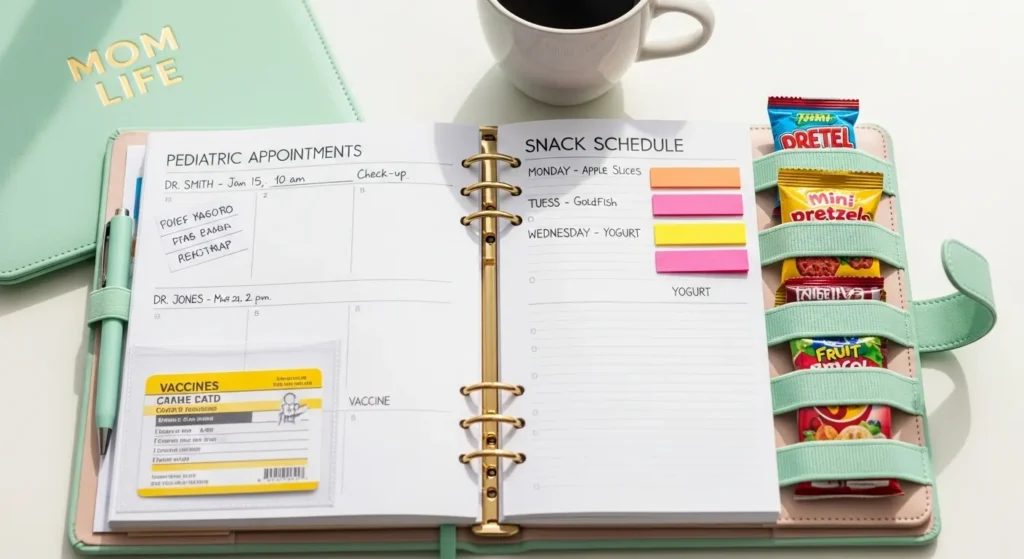
Before you leave, bring your insurance information, vaccine record if needed, any school or sports forms, and your running note of questions. During the visit, ask the top questions first, not last. If something matters to you, say it early before the appointment gets sidetracked. If there are instructions, referrals, medication changes, or follow-up plans, write them down before you walk out.
After the visit, do one small reset at home: add the next appointment to your calendar immediately and save any notes in the same phone note or family planner. That one step prevents the whole thing from becoming “I know we talked about this, but I forgot what they said.” Moms do not usually need a better memory. They need fewer loose ends.
The 2026 well-child visit checklist idea works because it respects reality. Moms are busy. Kids are unpredictable. Appointments can feel rushed. But with a simple system, these visits stop being random interruptions and start becoming useful checkpoints that reduce stress instead of adding to it.
That is also why this topic belongs on Great Articles for Moms. It sits right at the intersection of family wellness, parenting support, and practical relief. It is not just about child health. It is about helping moms feel more organized, more informed, and less alone in the everyday work of raising kids.
External resource: AAP Schedule of Well-Child Care Visits.